


Automation is becoming a key part of how modern businesses operate. In 2026,any conversation around automation would be incomplete without mentioning AI agents, or agentic AI. So far this year, these new tools have taken up space in our minds and repertoires, as businesses turn to automation tools to reduce repetitive work, improve efficiency, and most importantly, cut costs.
- 1. Project management updates and tracking
- 2. CRM data entry and lead qualification
- 3. Customer support triage and responses
- 4. Reporting and analytics dashboards
- 5. Social media scheduling and content creation
- 6. SEO auditing and optimisation
- 7. Email marketing automation
- 8. Admin and invoice processing
- 9. Workflow automation
- Conclusion
In one of our previous articles, we found that SMEs could save over £10,000 a year on SaaS tools. Now more accessible than ever, SMEs can deploy AI agents with relatively simple infrastructure.
With a basic Virtual Private Server (VPS) setup, and some basic technical knowledge, businesses can begin hosting and running their own AI-powered workflows. The experts at Fasthosts explain 9 ways it can be done:
1. Project management updates and tracking
Instead of manually updating tools like Asana or Trello, AI agents can now track project progress from conversations and emails and automatically update task statuses. Later on, they can also generate project management reports, reducing the need for manual intervention and admin layers within reporting processes and project management tools.
2. CRM data entry and lead qualification
One of AI Agents’ fortes is CRM data entry and lead qualification. They can capture leads from emails, forms, and enquiries, and enrich that data and qualify it. From there, they can trigger follow-ups or assign the leads to the correct team member, ultimately cutting down the reliance on manual CRM usage and the need for multiple integrations.
3. Customer support triage and responses
Similar to lead qualifications, AI agents can also handle first-line support queries. They can categorise each by ticket type, identify enquiry intent, and offer basic and instant resolutions where possible. Whereas they might meet the more simple issues, they will escalate more complex queries to human agents with full context, allowing customer service agents to dedicate their time to more significant customer experiences.
4. Reporting and analytics dashboards
Instead of human employees pulling reports from multiple tools, AI agents can aggregate data across platforms and generate insights, reports, and recommendations. When needing that human touch, they can also respond to natural language queries such as “What were conversions last week?” or “Which channel performed best?”, allowing the humans to get straight to the source and make faster data-driven decisions.
5. Social media scheduling and content creation
When it comes to social media and content generation, AI agents can also combine tasks that are typically conducted across 2 – 3 different platforms. Now, agentic AI can generate social posts and content, they can tailor it to different audiences. They can also schedule content to go live at optimised times, and analyse each post’s performance, reducing the need for teams to work across multiple platforms.
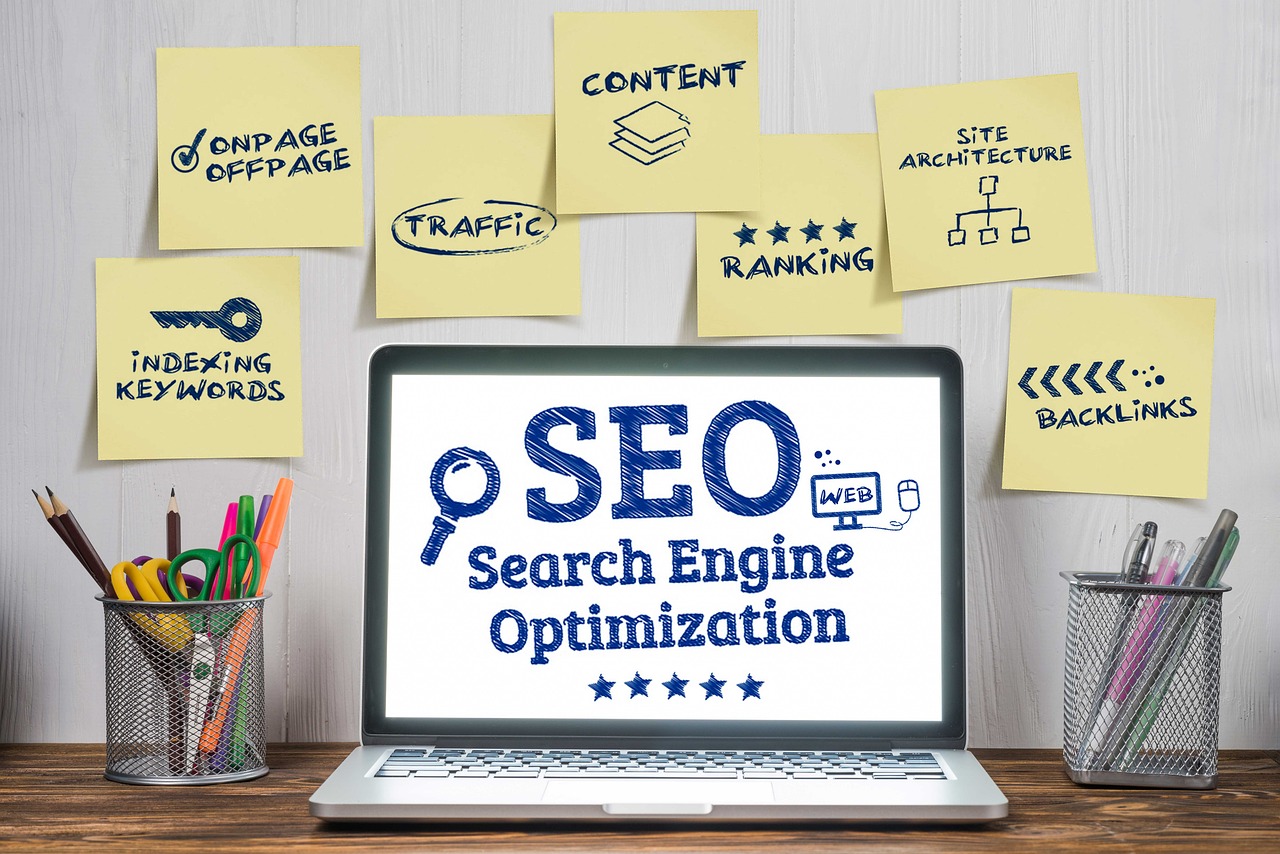
6. SEO auditing and optimisation
For digital marketing agencies or businesses looking to improve their SEO and GEO rankings, you might be pleased to know that AI agents are also able to run site audits, tasks that are typically performed on specific softwares and tools.
AI agents can now identify technical issues, suggest keyword improvements, analyse competitor strategies, and suggest and generate optimised content too. That way businesses who may be outside of their technical SEO remit, or digital marketing agencies who want to reduce their tech stack, can manage SEO more efficiently, with fewer platforms.
7. Email marketing automation
Email marketing may be seen as a time consuming, and “add-on” task for some, but it still remains a crucial marketing form today.
AI agents can minimise the need for complex email automation platforms by not only writing campaigns, but segmenting audiences, personalising messaging, and triggering sends based on user behaviour. They can ensure that each campaign is optimised to its full potential, while reducing reliance on multiple outreach tools.
8. Admin and invoice processing
Admin and invoices may not be seen as the most glamorous day-to-day tasks, but AI agents are happy to take over the manual workload within accounting tools. They can conduct tasks like extracting invoice data, categorising expenses, sending payment reminders, and generating financial summaries all in a day’s work.
9. Workflow automation
Finally, one key way that AI agents are set to revolutionise the workplace is through workflow automation. Instead of chaining multiple tools together, they can trigger multi-step workflows, make decisions mid-process and adapt their next-step based on real-time data and context.
Doing so, they are able to replace some of that rigid automation, while improving efficiency through more flexible, intelligent, and responsive processes.
Conclusion
While SaaS tools remain a vital part of any businesses’ day-to-day operations, AI agents are proving successful in changing how businesses manage multiple tools and achieve outcomes, enabling work to be done with fewer and more capable systems.
Looking ahead, SaaS tools and AI agents will continue to work collaboratively to consolidate workflows and simplify how work gets done, allowing businesses to concentrate their efforts on what matters most; improving efficiency, and achieving better results.