

In a world where geopolitical uncertainty is increasingly the norm, resilience has become a defining capability for retailers. While disruption itself is nothing new, the pace, scale, and complexity of recent events have heightened the need for agility across retail operations, and supply chain visibility is the foremost priority.
When the Covid-19 pandemic struck, global retail supply chains were pushed to breaking point. As retailers look to strengthen their operations against future disruption, the lessons from that period remain highly relevant. The pandemic exposed not just where supply chains failed, but why. At the heart of the problem was a lack of visibility.
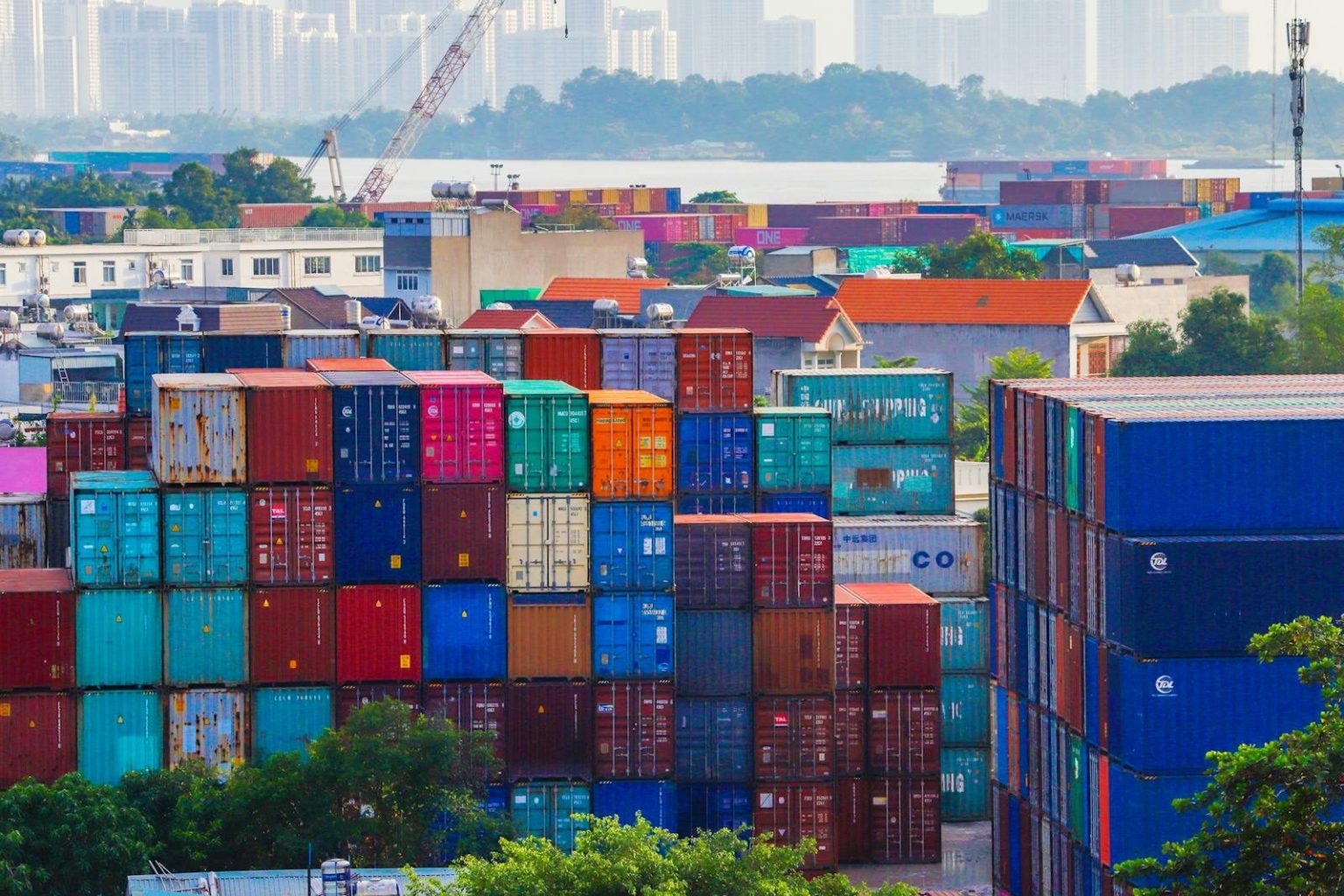
Containers sat idle in ports. Factories closed with little notice. Drivers were stranded. Goods stopped moving, and retailers were often left without clear answers as to where products were, when they might arrive, or which suppliers could recover fastest. At the same time, weaknesses in decision-making processes were laid bare. Without reliable data, it became difficult to act decisively, remain compliant, or adapt creatively under pressure.
Today, while many retailers have made progress, true supply chain visibility remains out of reach for many. If past lessons are to be taken seriously and today’s geopolitical climate is fully acknowledged, retailers must make visibility a central pillar of their operating model. Those able to make fast, informed decisions when disruption strikes will always be better positioned than those navigating blind.
The role of procurement in driving visibility
Retailers are not starting from scratch. In fact, many already have a function uniquely positioned to lead this agenda: procurement. More specifically, retail procurement teams sit closest to suppliers, contracts, and spending data, giving them a natural vantage point across the supply chain.
Chief Procurement Officers (CPOs) and their teams are therefore well placed to enable improved retail supply chain management, but only if visibility is treated as a strategic objective rather than a reporting exercise. This requires a mindset shift. CPOs must view supplier data as a foundational asset, something to be actively developed, refined, and used, not simply stored.
Once this belief is in place, the next challenge is access. Supplier information must be structured, centralised, and easily available to procurement teams when decisions need to be made. Achieving this demands digital transformation. By modernising systems and processes, procurement functions can unlock the value of data and translate visibility into meaningful action.
Using visibility to gain a competitive edge
One of the most immediate benefits of improved visibility is competitiveness. In retail, margins are tight, and timing is critical. Without accurate, up-to-date supplier data, procurement teams are forced to react slowly, or not at all, when challenges arise.
With supply chain visibility in place, retail procurement teams are better equipped to respond to disruption and capitalise on opportunity. Visibility allows teams to identify where supply is constrained, which suppliers can scale fastest, and where risks might emerge next. This awareness is invaluable in both stable and volatile markets.
The same visibility also enables retailers to move faster than competitors. When procurement teams can clearly see supplier capabilities, lead times, and availability, they are able to act decisively. Whether responding to spikes in demand or racing to secure limited supply, access to supplier data supports faster, more confident decision-making.
Visibility also supports the growing focus on sustainability in retail supply chain management. By digitising supplier data, procurement teams can more easily identify products that align with environmental and social governance expectations. Whether tracking carbon footprints or assessing supplier approaches to labour standards, visibility enables retailers to stock goods that meet ethical expectations without delay.
Staying compliant in complex supply chains
Retail supply chains are global by nature. Goods are sourced from multiple regions, each operating under different regulatory frameworks. While UK regulations govern retailers’ responsibilities at home, these standards do not always apply abroad. Yet accountability does not stop at the border.
Retailers remain responsible for what they sell, regardless of where products are produced or transported. Public expectations reflect this reality. Consumers, regulators, and stakeholders increasingly hold retailers accountable for breaches of environmental, safety, or humanitarian standards anywhere in their supply chains.
This is where retail procurement teams play a critical role. When supplier data is visible and accessible, teams can better understand what is happening beyond their immediate operations. Visibility allows procurement to monitor supplier certifications, flag potential compliance gaps, and respond before issues escalate.
Digital tools make this process more efficient. Supplier data can be configured to trigger alerts as compliance certificates near expiry or when anomalies emerge. Rather than relying on manual checking, procurement teams can use technology to maintain ongoing oversight. This approach reduces risk while freeing teams to focus on value-adding activities rather than administrative burden.
Enabling creativity when disruption hits
The final, and often overlooked, benefit of visibility is its impact on innovation and problem-solving. Disruption rarely comes with a clear instruction manual. When unexpected events occur, procurement teams must quickly identify workable alternatives within tight constraints.
Without data, creativity is limited. When teams lack clarity on supplier options, logistics routes, or operational constraints, potential solutions remain theoretical. In contrast, teams working with reliable supplier data understand the boundaries of what is possible and can innovate within them.
When extreme events disrupt transport routes or limit supply, procurement teams with strong supply chain visibility are able to adapt more effectively. By quickly assessing available alternatives, they can develop contingency plans grounded in practical reality rather than assumptions.
This capacity for creative problem-solving is essential to modern retail supply chain management. Visibility does not remove disruption, but it significantly improves a retailer’s ability to respond constructively.
Making visibility a long-term priority
For CPOs and retail procurement leaders, the path forward is clear. Improving visibility requires sustained investment in digital tools that make supplier data accessible, usable, and actionable. It also requires a cultural commitment to using data as the foundation for decision-making.
By prioritising supply chain visibility, retailers strengthen their ability to remain competitive, compliant, and adaptable. Procurement teams become better equipped to manage risk, seize opportunity, and support the wider business through periods of uncertainty. Disruption is inevitable. Visibility determines whether retailers react too late or respond with confidence.