
By using this site, you agree to the Privacy Policy and Terms of Use.
Accept
Start Your Business Magazine
Monday, Jul 20, 2026
  • Connect:
  • Podcasts
  • Get the Book!
  • Contacts
  • Starting Up

    Starting Up

    a guide to starting a business

    • Business Planning
    • Business Ideas
    • Startup Checklists
    • Company Formation
    Reading: WFH Buzzwords
    • Business Banking
    • How to Guides
    • eCommerce
    Reading: WFH Buzzwords
  • Funding

    Funding

    raising finance and managing cashflow

    • Start Up Funding
    • Grants
    • Business Angels
    • Venture Capital
    Reading: WFH Buzzwords
    • Venture Debt
    • SEIS/EIS
    • Growth Capital
    • Bridging Loans
    Reading: WFH Buzzwords
    • Commercial Mortgages
    • Invoice Finance
    • Merchant Cash Advance
    Reading: WFH Buzzwords
    Get Quotes
  • Running

    Running

    managing a small business

    • Advertising
    • Social Media
    • Email Marketing
    Reading: WFH Buzzwords
    • Card Machines
    • Payment Gateway
    • Payments by Phone
    Reading: WFH Buzzwords
    • Remote Working
    • Serviced Offices
    • Virtual Office
    Reading: WFH Buzzwords
  • Growing

    Growing

    scale and grow your business

    • Scaling
    • Finance
    • Technology
    Reading: WFH Buzzwords
    • Accounting
    • Manufacturing
    • Tax
    • Marketing
    Reading: WFH Buzzwords
    • Import Export
    Reading: WFH Buzzwords
  • SME Update

    SME Update

    the latest news and expert advice

    • Lastest
    • Business Experts
    • Blogs
    • Business Advice
    Reading: WFH Buzzwords
    • Interviews
    • Books
    • Events
    • Agenda
    Reading: WFH Buzzwords
    • Wellbeing
    • Women in Business
    Reading: WFH Buzzwords
Reading: WFH Buzzwords
Newsletter
Font ResizerAa
Start Your Business MagazineStart Your Business Magazine
  • How To
  • Books
  • Podcasts
  • Interviews
Search
  • Agenda
  • Contact Us
  • Book Review
  • Blogs
  • Finance
  • Growing Business
  • How To
  • Interviews
  • Categories
    • Marketing
    • Startups
    • Advertising
    • Market Trends
    • Tech Moves
  • Marketing
  • SME Update
  • Starting Up
  • Technology
  • Wellness
  • Contact

Trending →

Investing in ETFs

Marketing Agencies

How to Start a Building Material Business

Communicate Better

The Strawman Theory Explained

Follow US
Start Your Business Magazine > Blog > blog > WFH Buzzwords
blog

WFH Buzzwords

Start Your Business
Share
5 Min Read
SHARE

The WFH Buzzwords that has become the ‘New Normal’ in 2021

The unexpected events over the past year have changed the way we work, the way we socialise, and even how we talk. By March 2020, the word “Coronavirus” had become one of the most frequently used nouns in the English language, and with it came plenty of new jargon, buzzwords and slang.

There are several words and phrases that have entered our day-to-day vocabulary and stuck, and those which have taken on a new meaning during the year. Workspace Specialists Instant Offices have uncovered some of the biggest buzzwords that are expected to be heard regularly in the coming months, especially during your (virtual) workplace meetings.

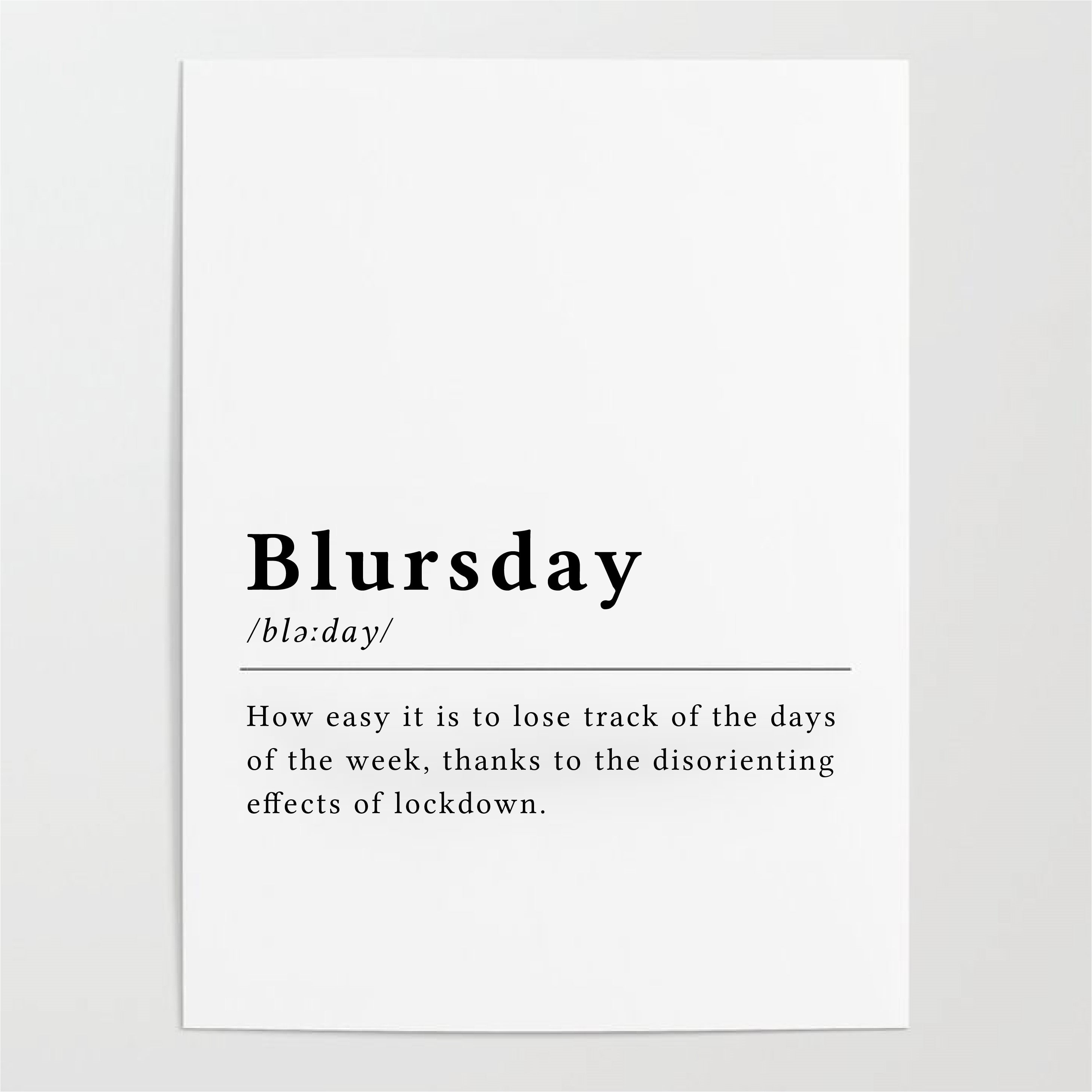
Blursday: This oh-so-relatable word perfectly describes how easy it is to lose track of the days of the week, thanks to the disorienting effects of lockdown
Blursday

Coronacation: A forced stay-at-home vacation caused by the Coronavirus pandemic.

Covidiot: An insult used to describe someone ignoring public health advice, specifically advice about COVID-19

Lockdown: The dreaded L-word has become commonplace, referring to government-mandated quarantine measures. Lockdown was named the Collins Dictionary “word of the year” for 2020, as it reflects such a widely shared global experience. Online searches for “lockdown” in the UK surged in March, and rose again by twice the search volume in November.

Lunch and learn: A voluntary training session or presentation that takes place during employee lunchtime. These sessions aim to bring people from across a company together in an informal collaborative learning environment, to help with their professional development.

New normal: A tactful phrase we’ve started using as a way to remind ourselves that while the world is forever changed, we are adapting and adjusting.

Quaranteam: Also known as a social bubble, a quaranteam is a group of people who interact with each other but nobody else – theoretically preventing the risk of COVID-19 transmission within the group.

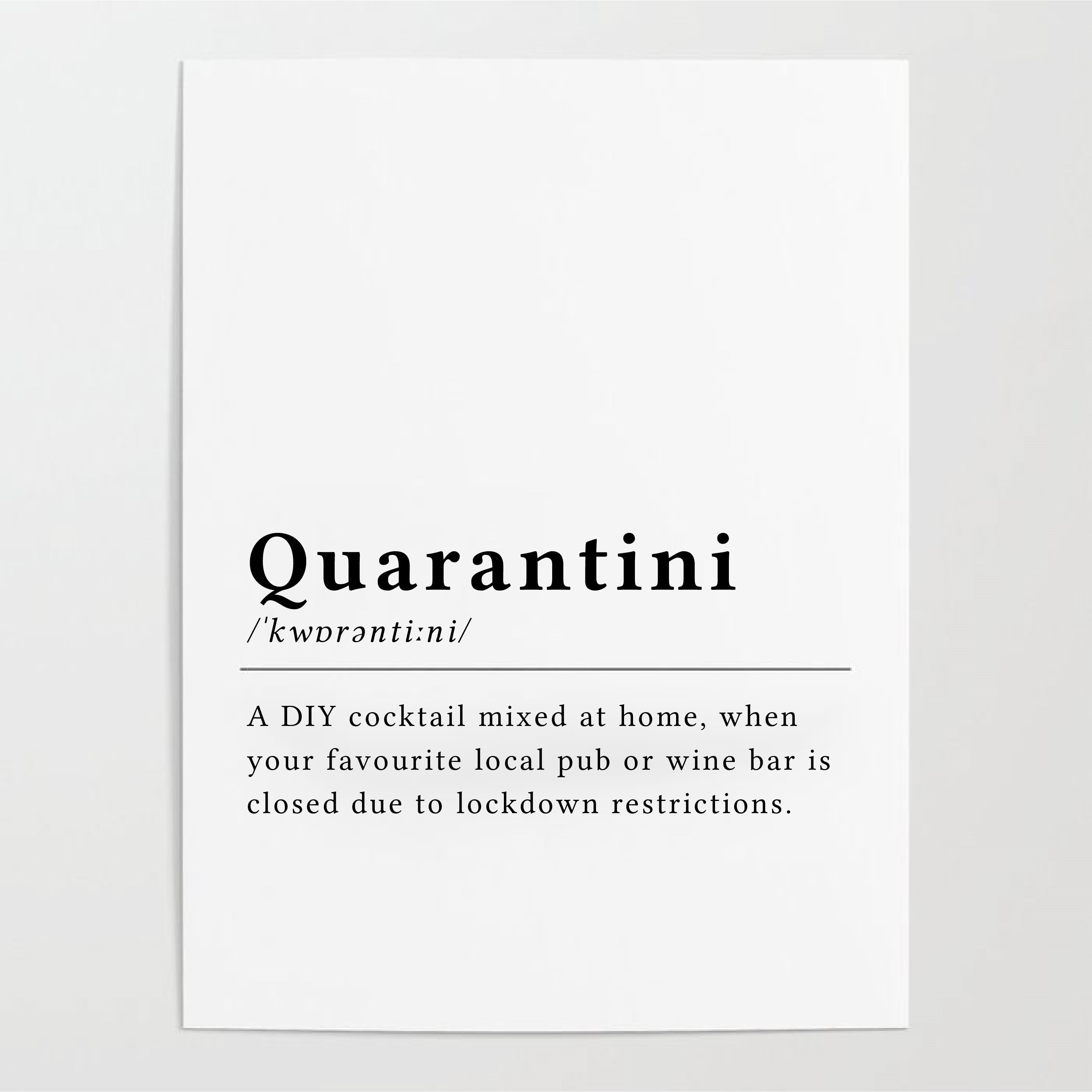
Quarantini: A DIY cocktail mixed at home, when your fave local pub or wine bar is closed due to lockdown restrictions.
Quarantini

Remote working: Working off-site instead of in the office. The Oxford Languages report for 2020 showed a massive increase in the use of the words “remote” and “remotely”, up more than 300% compared to 2019. They are most often used in connection with meeting, working, studying and voting. Online searches followed suit, with a big increase in UK-based Google searches for “remote work” in March and again in December.

Unmute: If your colleague speaks up in a virtual meeting, but you can’t hear them, you’d typically advise them to unmute their microphone. Not a word we would have commonly used before, unmute has seen a whopping 500% rise since March.

Virtual happy hour: The perfect occasion to enjoy that quarantini. Virtual happy hour is an online gathering via a platform like Zoom or Skype, where you can socialise with your workmates or friends while safely isolating at home.

Waist-up fashion: Thanks to the increase in virtual workplace meetings, many employees have started relying on “waist-up fashion” – a well-groomed appearance from the waist up, with comfy tracksuit bottoms and slippers safely out of view of the camera.

WFH: An abbreviation of work-from-home, now commonly used and understood in office communications as more and more employees have been working remotely.

Workation: A vacation during which an employee also works. This word gained traction in 2020 and saw a year-on-year increase of 500% in usage.

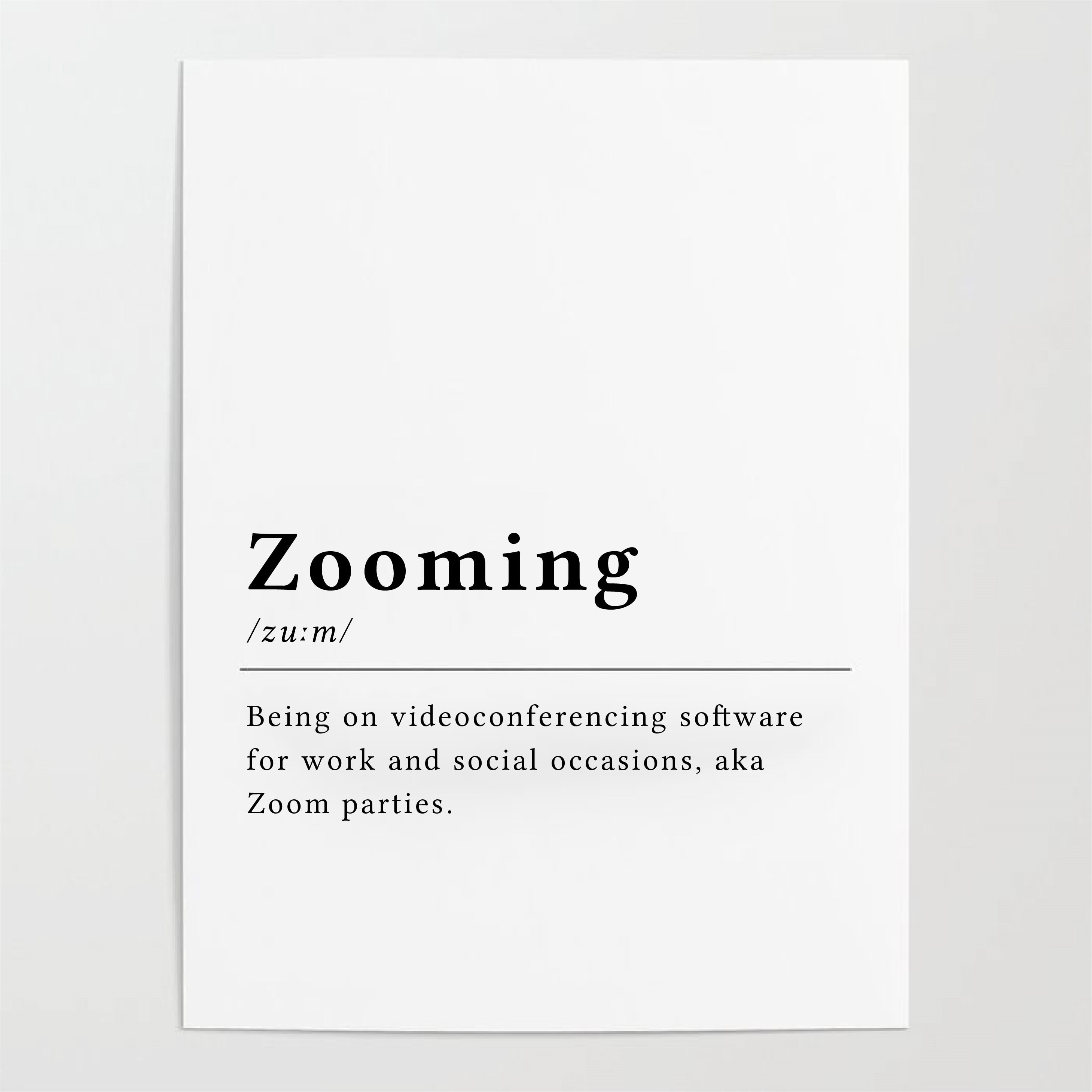
Zooming: The online meeting platform Zoom gained popularity as more businesses started communicating remotely. Now it’s become common to use Zooming as a verb, or to talk about being Zoom-ready. The videoconferencing software has also become popular for social occasions, aka Zoom parties. UK searches for “Zooming” hit a peak in April and May, and again in late December.

Zooming


TAGGED:header
Share This Article
Facebook Copy Link

You Might Also Like ↷

GDPR is just around the corner…

April 18, 2018

Business Growth Essentials:

August 23, 2021

Office Accessibility

December 15, 2021

Workplace Sustainability

February 4, 2020
  • RSS
  • Terms And Conditions
  • Privacy Policy
  • Contact
  • Licensing
  • Contacts
  • Cookie Policy

Start Your Business Magazine: The Ultimate Business Start Up Guide provides information advice and guidance for entrepreneurs and new business start ups. Get the latest from us delivered directly to your inbox.

Start Your Business Magazine
  • Store
  • Features
  • Book
  • Trending
  • Topics
FacebookLike
XFollow
InstagramFollow
YoutubeSubscribe

Copyright 2026 Gambit Interactive Media Limited – All Rights Reserved.

Manage Cookie Consent
We use technologies like cookies to store and/or access device information. Cookies are used for ads personalisation We do this to improve browsing experience as well as show personalized ads. Consenting to these technologies will allow us to process data such as browsing behavior or unique IDs on this site. Not consenting or withdrawing consent, may adversely affect certain features and functions.
Functional Always active
The technical storage or access is strictly necessary for the legitimate purpose of enabling the use of a specific service explicitly requested by the subscriber or user, or for the sole purpose of carrying out the transmission of a communication over an electronic communications network.
Preferences
The technical storage or access is necessary for the legitimate purpose of storing preferences that are not requested by the subscriber or user.
Statistics
The technical storage or access that is used exclusively for statistical purposes. The technical storage or access that is used exclusively for anonymous statistical purposes. Without a subpoena, voluntary compliance on the part of your Internet Service Provider, or additional records from a third party, information stored or retrieved for this purpose alone cannot usually be used to identify you.
Marketing
The technical storage or access is required to create user profiles to send advertising, or to track the user on a website or across several websites for similar marketing purposes.
  • Manage options
  • Manage services
  • Manage {vendor_count} vendors
  • Read more about these purposes
View preferences
  • {title}
  • {title}
  • {title}
Go to mobile version