By using this site, you agree to the Privacy Policy and Terms of Use.
Accept
Start Your Business Magazine
Sunday, Jun 28, 2026
  • Connect:
  • Podcasts
  • Get the Book!
  • Contacts
  • Starting Up

    Starting Up

    a guide to starting a business

    • Business Planning
    • Business Ideas
    • Startup Checklists
    • Company Formation
    Reading: Is Your E-Commerce Business’ Growth Attracting Fraud?
    • Business Banking
    • How to Guides
    • eCommerce
    Reading: Is Your E-Commerce Business’ Growth Attracting Fraud?
  • Funding

    Funding

    raising finance and managing cashflow

    • Start Up Funding
    • Grants
    • Business Angels
    • Venture Capital
    Reading: Is Your E-Commerce Business’ Growth Attracting Fraud?
    • Venture Debt
    • SEIS/EIS
    • Growth Capital
    • Bridging Loans
    Reading: Is Your E-Commerce Business’ Growth Attracting Fraud?
    • Commercial Mortgages
    • Invoice Finance
    • Merchant Cash Advance
    Reading: Is Your E-Commerce Business’ Growth Attracting Fraud?
    Get Quotes
  • Running

    Running

    managing a small business

    • Advertising
    • Social Media
    • Email Marketing
    Reading: Is Your E-Commerce Business’ Growth Attracting Fraud?
    • Card Machines
    • Payment Gateway
    • Payments by Phone
    Reading: Is Your E-Commerce Business’ Growth Attracting Fraud?
    • Remote Working
    • Serviced Offices
    • Virtual Office
    Reading: Is Your E-Commerce Business’ Growth Attracting Fraud?
  • Growing

    Growing

    scale and grow your business

    • Scaling
    • Finance
    • Technology
    Reading: Is Your E-Commerce Business’ Growth Attracting Fraud?
    • Accounting
    • Manufacturing
    • Tax
    • Marketing
    Reading: Is Your E-Commerce Business’ Growth Attracting Fraud?
    • Import Export
    Reading: Is Your E-Commerce Business’ Growth Attracting Fraud?
  • SME Update

    SME Update

    the latest news and expert advice

    • Lastest
    • Business Experts
    • Blogs
    • Business Advice
    Reading: Is Your E-Commerce Business’ Growth Attracting Fraud?
    • Interviews
    • Books
    • Events
    • Agenda
    Reading: Is Your E-Commerce Business’ Growth Attracting Fraud?
    • Wellbeing
    • Women in Business
    Reading: Is Your E-Commerce Business’ Growth Attracting Fraud?
Reading: Is Your E-Commerce Business’ Growth Attracting Fraud?
Newsletter
Font ResizerAa
Start Your Business MagazineStart Your Business Magazine
  • How To
  • Books
  • Podcasts
  • Interviews
Search
  • Agenda
  • Contact Us
  • Book Review
  • Blogs
  • Finance
  • Growing Business
  • How To
  • Interviews
  • Categories
    • Marketing
    • Startups
    • Advertising
    • Market Trends
    • Tech Moves
  • Marketing
  • SME Update
  • Starting Up
  • Technology
  • Wellness
  • Contact

Trending →

Investing in ETFs

Marketing Agencies

How to Start a Building Material Business

Communicate Better

The Strawman Theory Explained

Follow US
Start Your Business Magazine > Blog > ecommerce > Is Your E-Commerce Business’ Growth Attracting Fraud?
ecommerce

Is Your E-Commerce Business’ Growth Attracting Fraud?

Start Your Business
Share
6 Min Read
SHARE

Online shopping has exploded in the past decade. In 2015, e-commerce accounted for 7.4 per cent of global retail sales. In 2020, this had grown to 18 per cent with projections of a rise to 21.8 per cent by 2024. This is good news for businesses, as online platforms are allowing them to reach new customers and drive more sales. 

Contents
  • Chargeback fraud
  • Friendly fraud
  • Return fraud
  • Unauthorised resellers
  • Preventing fraud

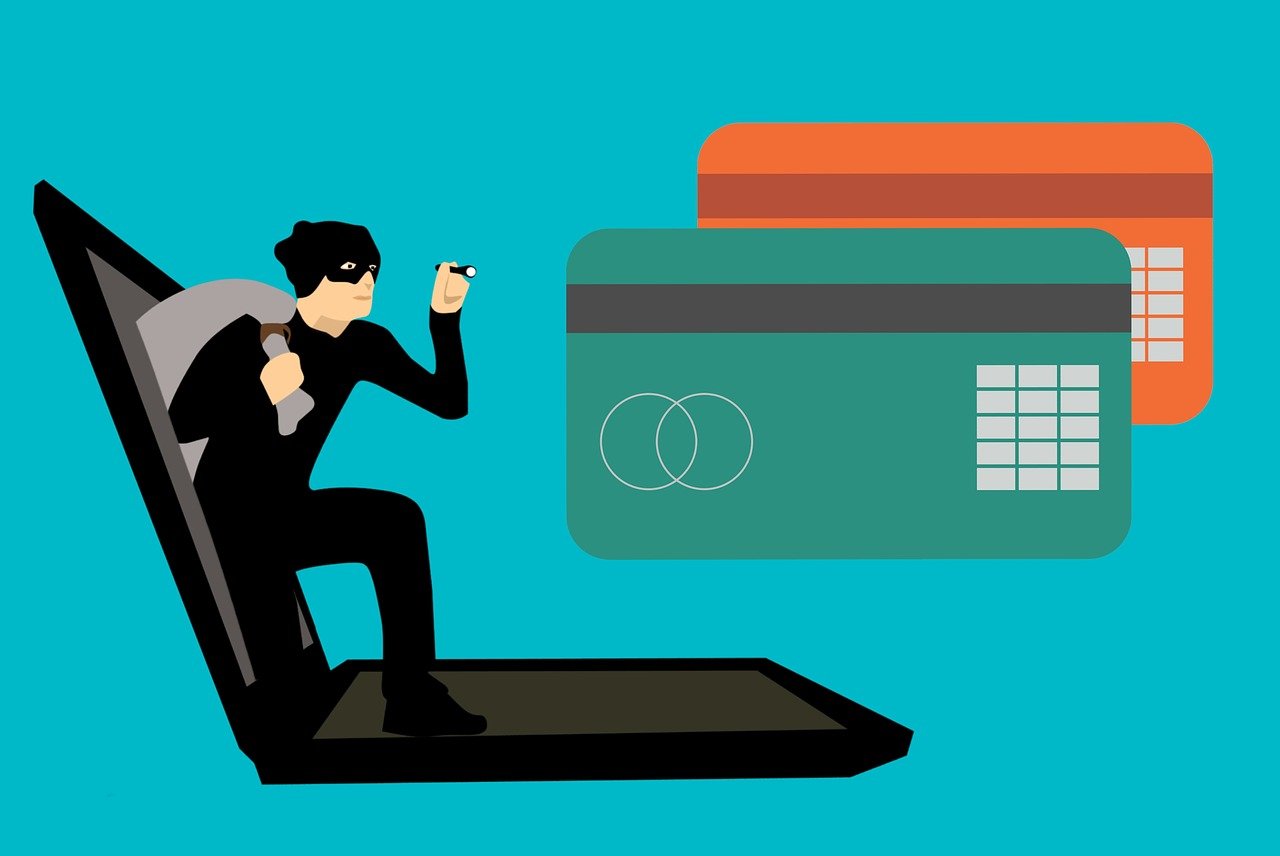
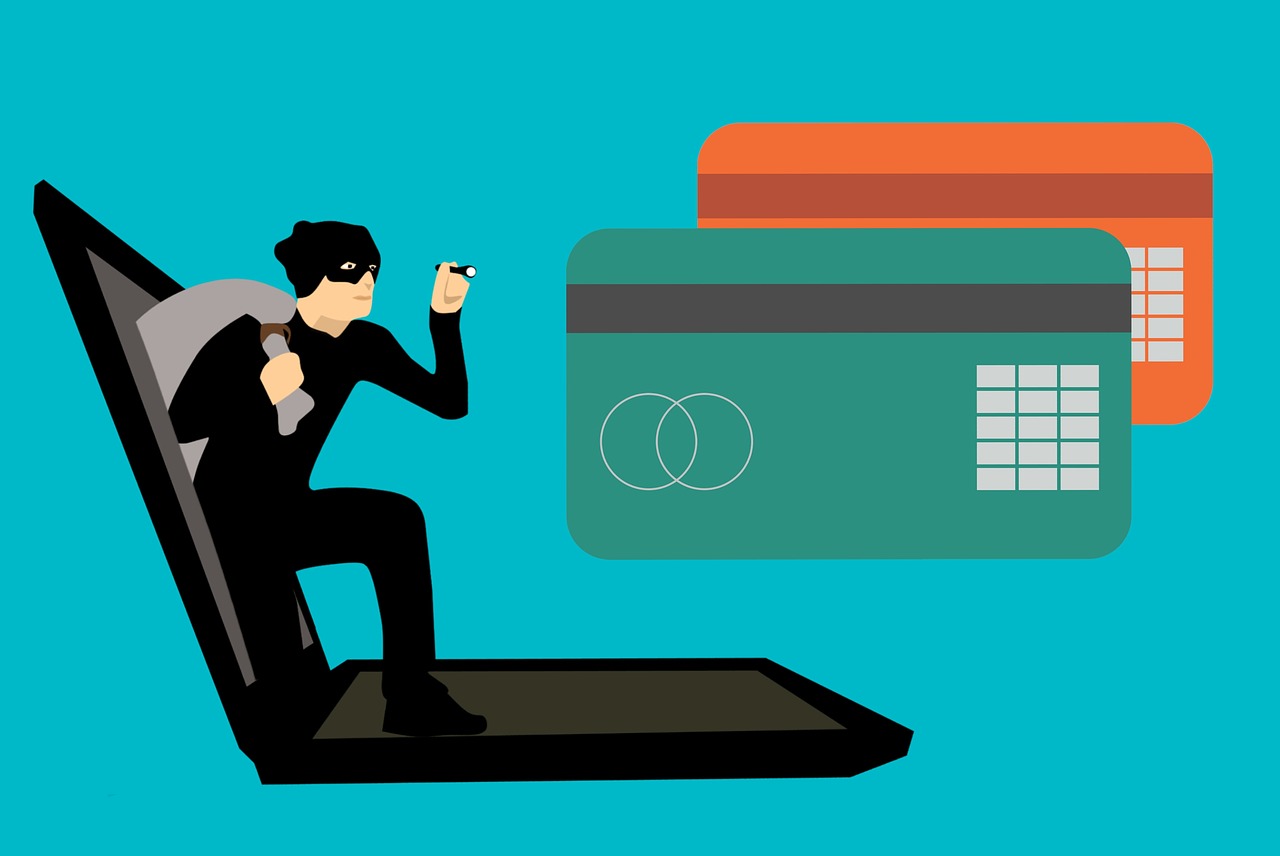
However, as e-commerce grows, so does the potential for fraud. Fraudsters are finding new ways to abuse online shops and processes to damage businesses and steal goods. Here, we explore some of the common types of e-commerce fraud that are hitting business hard. Then we’ll review how your business can prevent these online activities and protect its revenue.

Chargeback fraud

Chargeback fraud occurs when a cardholder intentionally disputes a transaction that they originally authorised. The fraudster will contact the bank and claim that this transaction was not authorised or may argue that the package ordered never arrived. E-commerce businesses will be charged for the cost of the product without receiving anything in return, leaving them out of pocket.

Fraudsters may do this to receive products without having to pay for them or because they regret making the purchase and are unable to return the items.

Friendly fraud

Friendly fraud is similar to chargeback fraud, except the fraudster, in this case, may not have ill intentions. In this case, a cardholder may mistakenly dispute a charge because they can’t remember authorising the payment. 

This unintentional fraud may be caused because the cardholder does not recognise the purchase on their bank statements or may have forgotten about a recurring payment. However, whether intentional or not, it’s still a costly loss for businesses.

Customers who fear a mistaken charge should contact a business directly before getting in touch with the bank, where the consequence of a chargeback can take longer for a refund and be costly for a business.

Return fraud

In the UK and the EU, consumers have the right to return goods ordered online within 14 days of receiving their goods. It’s important that customers have the opportunity to review products and decide if they are suitable. However, this is an aspect of e-commerce that is open to fraud. 

Return fraud comes in many forms. Complaints can be fabricated to order a refund that they may not have been eligible for, leaving businesses out of pocket and down on inventory. Meanwhile, returning fake items in place of the genuine article is another way that fraudsters are hurting business. Some may not even attempt to find a similar item, shipping something with the approximate weight – there are reports of fraudsters returning a potato in place of an iPhone.

It seems unbelievable that such an unusual feat of fraud can take place in this way. But some online payment engines, such as PayPal, only require the tracking number of the return in transit to provide a refund.

Unauthorised resellers

If someone bought fifty identical products from your e-commerce store, what would you believe the intention of the buyer was? If these products are expensive goods or bought at a discounted price, you may have a safe assumption that the buyer intends to sell these goods for a profit.

Unauthorised reselling is a type of fraud that is difficult to tackle on e-commerce platforms. While it can appear positive for your business to achieve this many sales, resellers can damage your brand image. It can also be difficult to determine if the threat of resellers is genuine.

Preventing fraud

The best way to prevent fraud is to stop fraudsters from buying from your e-commerce site in the first place. Taking away the power to buy takes away their power to commit fraud. But how can a business differentiate between fraudsters who intend to chargeback, commit return fraud, or resell your products from a genuine customer? How do you know who is buying from your e-commerce store?

Commerce protection platforms, such as Signifyd, are used to automate customer experiences and eliminate fraud and abuse. This is just one solution to reducing fraud online. These platforms are able to make intelligent decisions based on historical buying activity. Transactional and behavioural data is key to stopping fraud before it has even happened. This commerce protection platform has rendered an image of the shopping world from over 10,000 merchants in over 100 countries. Impressively, this means that 98 per cent of all online purchases are made by consumers that Signifyd has seen before.

These platforms can accurately identify anomalies in buying and behaviour such as account takeover, unauthorised resellers, and promotion abuse. Even better, they can automatically recover lost revenue from a chargeback, meaning that fraud has a limited impact on a business.

Businesses should continually strive to create improved customer experiences online, with frictionless payments, while protecting themselves against fraud and abuse. As the e-commerce market grows, fraudsters must be eliminated from riding the coattails of your success.
Share This Article
Facebook Copy Link

You Might Also Like ↷

How to survive Amazon-ization…

September 28, 2018

Trends Shaping the Payments Industry in 2024

January 25, 2024

Independent Retailers

September 27, 2021

Cryptocurrencies

February 22, 2022
  • RSS
  • Terms And Conditions
  • Privacy Policy
  • Contact
  • Licensing
  • Contacts
  • Cookie Policy

Start Your Business Magazine: The Ultimate Business Start Up Guide provides information advice and guidance for entrepreneurs and new business start ups. Get the latest from us delivered directly to your inbox.

Start Your Business Magazine
  • Store
  • Features
  • Book
  • Trending
  • Topics
FacebookLike
XFollow
InstagramFollow
YoutubeSubscribe

Copyright 2026 Gambit Interactive Media Limited – All Rights Reserved.

Manage Cookie Consent
We use technologies like cookies to store and/or access device information. Cookies are used for ads personalisation We do this to improve browsing experience as well as show personalized ads. Consenting to these technologies will allow us to process data such as browsing behavior or unique IDs on this site. Not consenting or withdrawing consent, may adversely affect certain features and functions.
Functional Always active
The technical storage or access is strictly necessary for the legitimate purpose of enabling the use of a specific service explicitly requested by the subscriber or user, or for the sole purpose of carrying out the transmission of a communication over an electronic communications network.
Preferences
The technical storage or access is necessary for the legitimate purpose of storing preferences that are not requested by the subscriber or user.
Statistics
The technical storage or access that is used exclusively for statistical purposes. The technical storage or access that is used exclusively for anonymous statistical purposes. Without a subpoena, voluntary compliance on the part of your Internet Service Provider, or additional records from a third party, information stored or retrieved for this purpose alone cannot usually be used to identify you.
Marketing
The technical storage or access is required to create user profiles to send advertising, or to track the user on a website or across several websites for similar marketing purposes.
  • Manage options
  • Manage services
  • Manage {vendor_count} vendors
  • Read more about these purposes
View preferences
  • {title}
  • {title}
  • {title}
Go to mobile version