
By using this site, you agree to the Privacy Policy and Terms of Use.
Accept
Start Your Business Magazine
Thursday, Jul 23, 2026
  • Connect:
  • Podcasts
  • Get the Book!
  • Contacts
  • Starting Up

    Starting Up

    a guide to starting a business

    • Business Planning
    • Business Ideas
    • Startup Checklists
    • Company Formation
    Reading: The Textile Industry:
    • Business Banking
    • How to Guides
    • eCommerce
    Reading: The Textile Industry:
  • Funding

    Funding

    raising finance and managing cashflow

    • Start Up Funding
    • Grants
    • Business Angels
    • Venture Capital
    Reading: The Textile Industry:
    • Venture Debt
    • SEIS/EIS
    • Growth Capital
    • Bridging Loans
    Reading: The Textile Industry:
    • Commercial Mortgages
    • Invoice Finance
    • Merchant Cash Advance
    Reading: The Textile Industry:
    Get Quotes
  • Running

    Running

    managing a small business

    • Advertising
    • Social Media
    • Email Marketing
    Reading: The Textile Industry:
    • Card Machines
    • Payment Gateway
    • Payments by Phone
    Reading: The Textile Industry:
    • Remote Working
    • Serviced Offices
    • Virtual Office
    Reading: The Textile Industry:
  • Growing

    Growing

    scale and grow your business

    • Scaling
    • Finance
    • Technology
    Reading: The Textile Industry:
    • Accounting
    • Manufacturing
    • Tax
    • Marketing
    Reading: The Textile Industry:
    • Import Export
    Reading: The Textile Industry:
  • SME Update

    SME Update

    the latest news and expert advice

    • Lastest
    • Business Experts
    • Blogs
    • Business Advice
    Reading: The Textile Industry:
    • Interviews
    • Books
    • Events
    • Agenda
    Reading: The Textile Industry:
    • Wellbeing
    • Women in Business
    Reading: The Textile Industry:
Reading: The Textile Industry:
Newsletter
Font ResizerAa
Start Your Business MagazineStart Your Business Magazine
  • How To
  • Books
  • Podcasts
  • Interviews
Search
  • Agenda
  • Contact Us
  • Book Review
  • Blogs
  • Finance
  • Growing Business
  • How To
  • Interviews
  • Categories
    • Marketing
    • Startups
    • Advertising
    • Market Trends
    • Tech Moves
  • Marketing
  • SME Update
  • Starting Up
  • Technology
  • Wellness
  • Contact

Trending →

Investing in ETFs

Marketing Agencies

How to Start a Building Material Business

Communicate Better

The Strawman Theory Explained

Follow US
Start Your Business Magazine > Blog > blog > The Textile Industry:
blogBusiness Ideas

The Textile Industry:

Start Your Business
Share
5 Min Read
SHARE

What to Know About Textile Production and Design

What are Textiles?

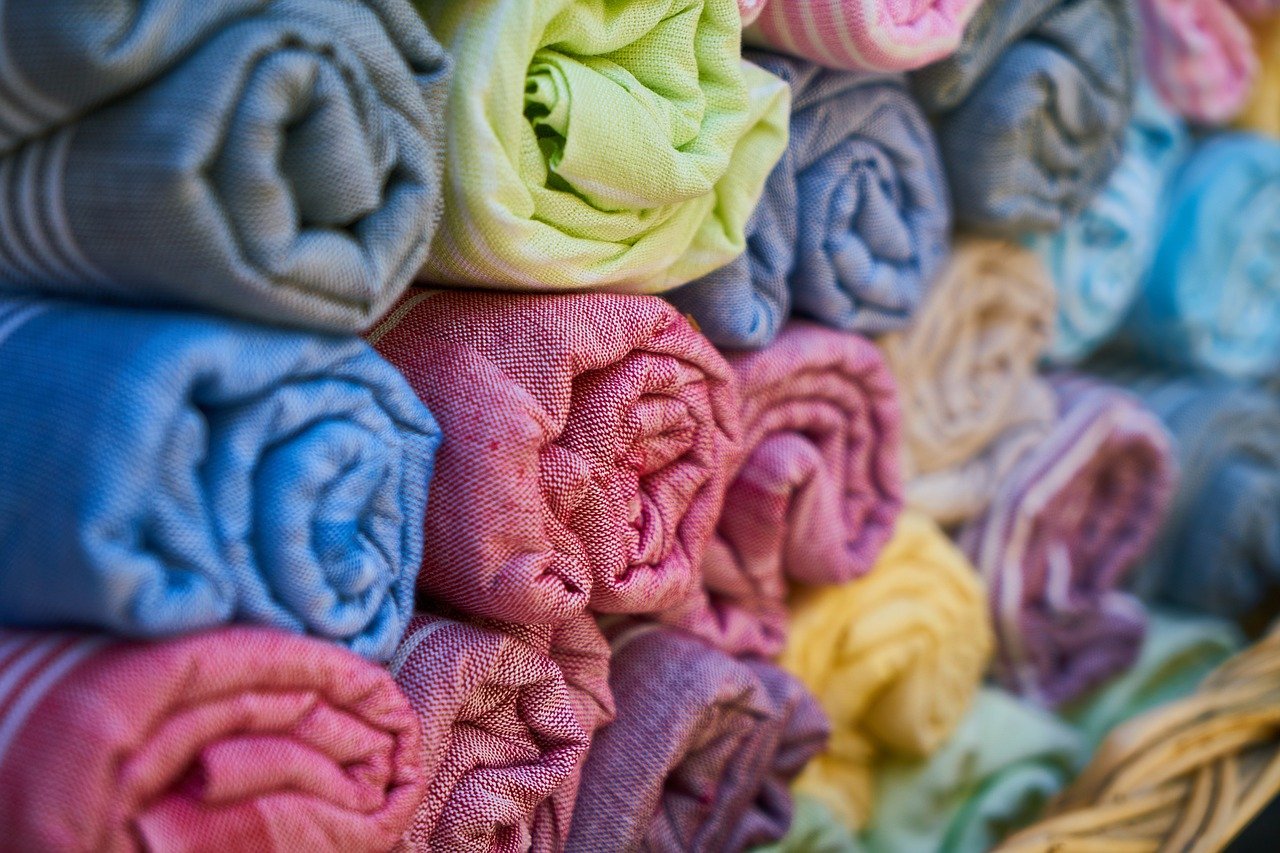
Textiles are defined as woven material made into fabrics and other materials. Now, the first thing that probably comes to mind is fashion— but fashion isn’t the only industry related to textiles. All fabrics are textiles, but all textiles aren’t fabrics. Textiles are used to make clothes, but so many other things are considered textiles. Linens, flannel, and even canvas are considered textiles.

Contents
  • What to Know About Textile Production and Design
    • What are Textiles?
    • The 5 Types of Textiles
    • 1. Animal-Sourced
    • 2. Cellulosic
    • 3. Plant-Sourced
    • 4. Semi-Synthetic
    • 5. Synthetic
    • How are textiles made?
    • What is plasma technology?
    • The Various Uses of Textiles

The 5 Types of Textiles

1. Animal-Sourced

Fibers made from the skin or fur of animals. Examples include cashmere (from goats), silk (from silkworms), wool (from sheep), and leather from various animals, including cattle. Unfortunately, animal-based fibers aren’t always sourced ethically, which is why many people prefer plant-based textiles.

2. Cellulosic

Synthetic or semi-synthetic fibers extracted from the stalks of wood plants, such as trees, shrubs, and bamboo.

3. Plant-Sourced

Plant-sourced textiles include cotton, linen, and hemp. Plant-based textiles have become more popular over the years due to being cruelty-free.

4. Semi-Synthetic

Like the name suggests, semi-synthetic textiles are extracted from natural sources but created through a chemical process. Acetate is an example of a semi-synthetic fiber.

5. Synthetic

Synthetic textiles are man-made from various sources. One of the most common sources includes petroleum. Synthetic textiles are more affordable than natural textiles, with examples being polyester and nylon.

How are textiles made?

The first step in creating textiles is to weave together the fibers. Depending on the source, the fibers may need to be treated in order to be viable for the weaving process.

Before textiles can be treated, they need to be cleaned.  Proper cleaning ensures that the dyes and any subsequent materials will properly adhere to the fibers.

Next comes the dyeing and printing processes. Dyeing is how the textiles get their base color, and printing is used to create different designs. However, the fibers must go through the cleaning process beforehand. This may sound difficult, but one of the most effective ways of cleaning textile surfaces to ensure workability is the use of plasma technology, particularly low-pressure plasma.

What is plasma technology?

Plasma technology by bdtronic specializes in plasma treatment systems. Plasma technology allows for the elimination of debris from materials in order to make them desirable for additional materials to be added.

The Various Uses of Textiles

Fashion Design

Fashion is probably the most popular career within the textile industry. While working in the textile industry is not exactly the same as working in the fashion industry, the two are definitely related. As a textile designer, you’ll design fabrics for various uses, including clothing.

Home Design

Interior design is another field in which you would find a textile designer. In this field, your focus would be on designing things like carpet, furniture, and wall coverings. Not only will your design be focused on aesthetics, but also the functionality. Other home-related items include blankets, linens, and towels.

Other Industries

Textile designers may also be employed in the automotive industry (designs for the interior of cars), the jewelry industry, and any industry where fiber design and functionality meet.

Job Outlook

This is a very diverse industry, as textile designers can be employed just about anywhere. While the need for textile manufacturers is declining due to advances in technology, there will always be a need for designers. 

More than likely, you will need a bachelor’s degree in textile design or a related field, such as art, fashion, etc. There may also be an opportunity for an internship, in which you will gain valuable experience in the field.

As a designer, your responsibilities will include a working knowledge of print, design, and color palettes. You should have a vast knowledge of design and an eye for colors and patterns. And even though you may not physically create the textiles yourself, it’s important to have insight into how textiles are made.

The textile industry is a global industry, being very popular throughout the world. As of 2021, the United States rose from third (after India) to second (after China) in terms of the biggest supplier of textiles.

TAGGED:header
Share This Article
Facebook Copy Link

You Might Also Like ↷

Teamwork

September 17, 2021

Business Skills

June 10, 2021

Property Maintenance

July 8, 2022

Business For Sale?

August 26, 2021
  • RSS
  • Terms And Conditions
  • Privacy Policy
  • Contact
  • Licensing
  • Contacts
  • Cookie Policy

Start Your Business Magazine: The Ultimate Business Start Up Guide provides information advice and guidance for entrepreneurs and new business start ups. Get the latest from us delivered directly to your inbox.

Start Your Business Magazine
  • Store
  • Features
  • Book
  • Trending
  • Topics
FacebookLike
XFollow
InstagramFollow
YoutubeSubscribe

Copyright 2026 Gambit Interactive Media Limited – All Rights Reserved.

Manage Cookie Consent
We use technologies like cookies to store and/or access device information. Cookies are used for ads personalisation We do this to improve browsing experience as well as show personalized ads. Consenting to these technologies will allow us to process data such as browsing behavior or unique IDs on this site. Not consenting or withdrawing consent, may adversely affect certain features and functions.
Functional Always active
The technical storage or access is strictly necessary for the legitimate purpose of enabling the use of a specific service explicitly requested by the subscriber or user, or for the sole purpose of carrying out the transmission of a communication over an electronic communications network.
Preferences
The technical storage or access is necessary for the legitimate purpose of storing preferences that are not requested by the subscriber or user.
Statistics
The technical storage or access that is used exclusively for statistical purposes. The technical storage or access that is used exclusively for anonymous statistical purposes. Without a subpoena, voluntary compliance on the part of your Internet Service Provider, or additional records from a third party, information stored or retrieved for this purpose alone cannot usually be used to identify you.
Marketing
The technical storage or access is required to create user profiles to send advertising, or to track the user on a website or across several websites for similar marketing purposes.
  • Manage options
  • Manage services
  • Manage {vendor_count} vendors
  • Read more about these purposes
View preferences
  • {title}
  • {title}
  • {title}
Go to mobile version