By using this site, you agree to the Privacy Policy and Terms of Use.
Accept
Start Your Business Magazine
Sunday, Jun 21, 2026
  • Connect:
  • Podcasts
  • Get the Book!
  • Contacts
  • Starting Up

    Starting Up

    a guide to starting a business

    • Business Planning
    • Business Ideas
    • Startup Checklists
    • Company Formation
    Reading: Pay by Email Links:
    • Business Banking
    • How to Guides
    • eCommerce
    Reading: Pay by Email Links:
  • Funding

    Funding

    raising finance and managing cashflow

    • Start Up Funding
    • Grants
    • Business Angels
    • Venture Capital
    Reading: Pay by Email Links:
    • Venture Debt
    • SEIS/EIS
    • Growth Capital
    • Bridging Loans
    Reading: Pay by Email Links:
    • Commercial Mortgages
    • Invoice Finance
    • Merchant Cash Advance
    Reading: Pay by Email Links:
  • Running

    Running

    managing a small business

    • Advertising
    • Social Media
    • Email Marketing
    Reading: Pay by Email Links:
    • Card Machines
    • Payment Gateway
    • Payments by Phone
    Reading: Pay by Email Links:
    • Remote Working
    • Serviced Offices
    • Virtual Office
    Reading: Pay by Email Links:
  • Growing

    Growing

    scale and grow your business

    • Scaling
    • Finance
    • Technology
    Reading: Pay by Email Links:
    • Accounting
    • Manufacturing
    • Tax
    • Marketing
    Reading: Pay by Email Links:
    • Import Export
    Reading: Pay by Email Links:
  • SME Update

    SME Update

    the latest news and expert advice

    • Lastest
    • Business Experts
    • Blogs
    • Business Advice
    Reading: Pay by Email Links:
    • Interviews
    • Books
    • Events
    • Agenda
    Reading: Pay by Email Links:
    • Wellbeing
    • Women in Business
    Reading: Pay by Email Links:
Reading: Pay by Email Links:
Newsletter
Font ResizerAa
Start Your Business MagazineStart Your Business Magazine
  • How To
  • Books
  • Podcasts
  • Interviews
Search
  • Agenda
  • Contact Us
  • Book Review
  • Blogs
  • Finance
  • Growing Business
  • How To
  • Interviews
  • Categories
    • Marketing
    • Startups
    • Advertising
    • Market Trends
    • Tech Moves
  • Marketing
  • SME Update
  • Starting Up
  • Technology
  • Wellness
  • Contact

Trending →

Jeanette Sklivanou

By
Start Your Business
June 17, 2026

Danielle Thompson

By
Start Your Business
June 17, 2026

Joel Steele

By
Start Your Business
June 17, 2026

Flex in the City

By
Start Your Business
June 17, 2026

Importing and Exporting:

By
Start Your Business
June 17, 2026
Follow US
Start Your Business Magazine > Blog > Pay by Email > Pay by Email Links:
Pay by EmailRunning

Pay by Email Links:

Start Your Business
Share
5 Min Read
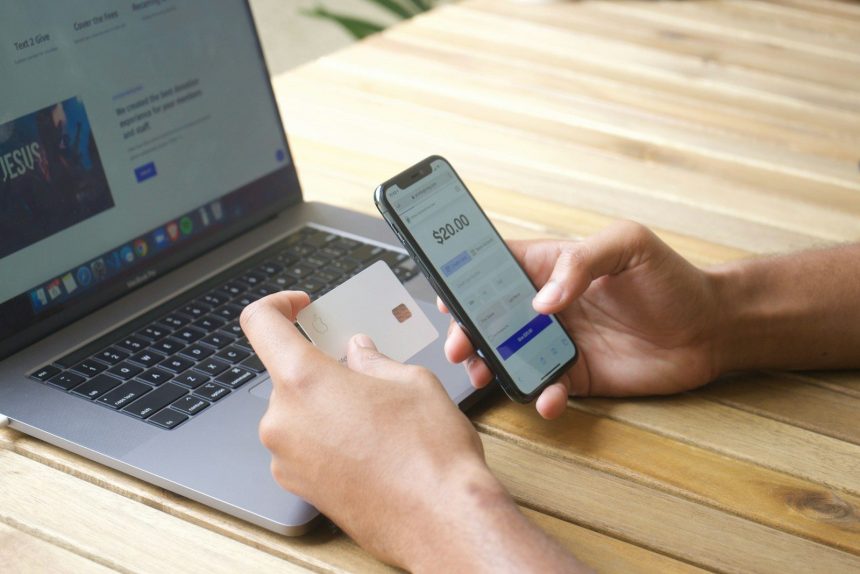
Person using smartphone and credit card with laptop
SHARE

A Simple Way to Get Paid Faster

Late or slow payments are one of the most common cash flow problems for small and growing businesses. Even when invoices are issued correctly, customers may delay payment due to friction in the process. Pay by email links offer a simple solution by allowing customers to pay instantly directly from an email.

Contents
  • What Are Pay by Email Links?
  • How Pay by Email Links Work
  • Why Businesses Use Pay by Email Links
  • Benefits of Pay by Email Links
    • 1. Faster Payments
    • 2. Improved Cash Flow
    • 3. Professional Customer Experience
    • 4. Reduced Chasing of Late Payments
    • 5. Multiple Payment Options
  • Where Pay by Email Links Are Used
  • Security and Trust Considerations
  • Integrating Pay by Email with Accounting Systems
  • Limitations of Pay by Email Links
  • Best Practices for Using Pay by Email Links
  • Conclusion

This modern payment method is increasingly used by freelancers, service providers, retailers, and B2B companies looking to speed up cash collection and improve cash flow.

What Are Pay by Email Links?

Pay by email links are secure payment links embedded in an email that allow customers to pay an invoice or purchase instantly online.

Instead of manually entering bank details or logging into separate systems, the customer simply clicks a button in the email and completes payment through a secure checkout page.

These links are usually generated through payment platforms or invoicing software.

How Pay by Email Links Work

The process is straightforward:

  1. A business sends an invoice or payment request via email
  2. The email includes a secure “Pay Now” link or button
  3. The customer clicks the link and is taken to a secure payment page
  4. The customer pays using card, bank transfer, or digital wallet
  5. The payment is confirmed automatically and recorded in the system

This reduces friction and removes barriers to prompt payment.

Why Businesses Use Pay by Email Links

Businesses adopt pay by email links to improve efficiency and reduce late payments.

Key reasons include:

  • Faster payment collection
  • Reduced administrative work chasing invoices
  • Improved customer experience
  • Lower risk of human error in payment details
  • Better cash flow predictability
  • Seamless integration with accounting systems

For many businesses, it significantly shortens the time between invoicing and payment.

Benefits of Pay by Email Links

1. Faster Payments

Customers are more likely to pay immediately when the process is simple and accessible in one click.

2. Improved Cash Flow

Reducing payment delays helps businesses maintain liquidity and manage expenses more effectively.

3. Professional Customer Experience

A clean, branded payment link creates a smooth and modern customer journey.

4. Reduced Chasing of Late Payments

Automated reminders and embedded payment options reduce the need for manual follow-ups.

5. Multiple Payment Options

Most systems support card payments, Apple Pay, Google Pay, and bank transfers.

Where Pay by Email Links Are Used

This payment method is widely used across industries, including:

  • Freelancers and consultants
  • Digital agencies
  • Trades and contractors
  • E-commerce businesses
  • Subscription services
  • Professional services (legal, accounting, marketing)

Any business that invoices customers can benefit from this approach.

Security and Trust Considerations

Because payment links are delivered via email, security is important.

Best practices include:

  • Using reputable payment providers
  • Ensuring HTTPS-secured checkout pages
  • Avoiding manually edited or unsecured links
  • Adding branding and verification details in emails
  • Educating customers about legitimate payment emails

Modern systems also use encryption and fraud detection tools to protect transactions.

Integrating Pay by Email with Accounting Systems

Many businesses integrate pay by email systems with accounting or invoicing software.

This allows:

  • Automatic invoice generation
  • Real-time payment tracking
  • Instant reconciliation of accounts
  • Automated payment reminders
  • Reduced manual bookkeeping

Popular platforms often include built-in payment link features.

Limitations of Pay by Email Links

While highly effective, there are some limitations:

  • Requires customer email access and engagement
  • May not suit very high-value or complex transactions
  • Dependent on internet access and digital literacy
  • Payment fees may apply depending on provider

Despite this, most businesses find the benefits outweigh the drawbacks.

Best Practices for Using Pay by Email Links

To maximise effectiveness:

  • Keep emails clear and simple
  • Use strong call-to-action buttons like “Pay Now”
  • Send invoices promptly after work completion
  • Automate reminders for unpaid invoices
  • Ensure branding is consistent and professional
  • Offer multiple payment options

Small improvements in presentation can significantly increase payment speed.

Conclusion

Pay by email links are a simple but powerful tool for improving cash flow and reducing payment friction. By allowing customers to pay instantly from an email, businesses can get paid faster, reduce administrative workload, and improve overall financial stability.

As digital payments continue to grow, this method is becoming a standard feature for modern businesses of all sizes. When used correctly, it can significantly improve the efficiency of invoicing and strengthen customer payment behaviour.


Share This Article
Facebook Copy Link

You Might Also Like ↷

Best Small Business Card Payment Providers 2025

June 17, 2026

Social Media Growth Hacks: 10 Practical Tips to Skyrocket Traffic by 30%

June 17, 2026

REMOTE WORKING

June 17, 2026

Email Marketing

June 17, 2026
  • RSS
  • Terms And Conditions
  • Privacy Policy
  • Contact
  • Licensing
  • Contacts
  • Cookie Policy

Start Your Business Magazine: The Ultimate Business Start Up Guide provides information advice and guidance for entrepreneurs and new business start ups. Get the latest from us delivered directly to your inbox.

Start Your Business Magazine
  • Store
  • Features
  • Book
  • Trending
  • Topics
FacebookLike
XFollow
InstagramFollow
YoutubeSubscribe

Copyright 2026 Gambit Interactive Media Limited – All Rights Reserved.

Manage Cookie Consent
We use technologies like cookies to store and/or access device information. Cookies are used for ads personalisation We do this to improve browsing experience as well as show personalized ads. Consenting to these technologies will allow us to process data such as browsing behavior or unique IDs on this site. Not consenting or withdrawing consent, may adversely affect certain features and functions.
Functional Always active
The technical storage or access is strictly necessary for the legitimate purpose of enabling the use of a specific service explicitly requested by the subscriber or user, or for the sole purpose of carrying out the transmission of a communication over an electronic communications network.
Preferences
The technical storage or access is necessary for the legitimate purpose of storing preferences that are not requested by the subscriber or user.
Statistics
The technical storage or access that is used exclusively for statistical purposes. The technical storage or access that is used exclusively for anonymous statistical purposes. Without a subpoena, voluntary compliance on the part of your Internet Service Provider, or additional records from a third party, information stored or retrieved for this purpose alone cannot usually be used to identify you.
Marketing
The technical storage or access is required to create user profiles to send advertising, or to track the user on a website or across several websites for similar marketing purposes.
  • Manage options
  • Manage services
  • Manage {vendor_count} vendors
  • Read more about these purposes
View preferences
  • {title}
  • {title}
  • {title}
Go to mobile version